
As drinking declines, a new generation of ravers are reimagining queer nightlife. A sparkling disco ball, neon latex and a sweaty crowd bouncing to energetic house beats. Beneath the dark arches of Vauxhall tube station is Fire Nightclub. It’s one of London’s iconic queer venues, where it just held a neon New Year rave. It was wild, glittering and completely sober.
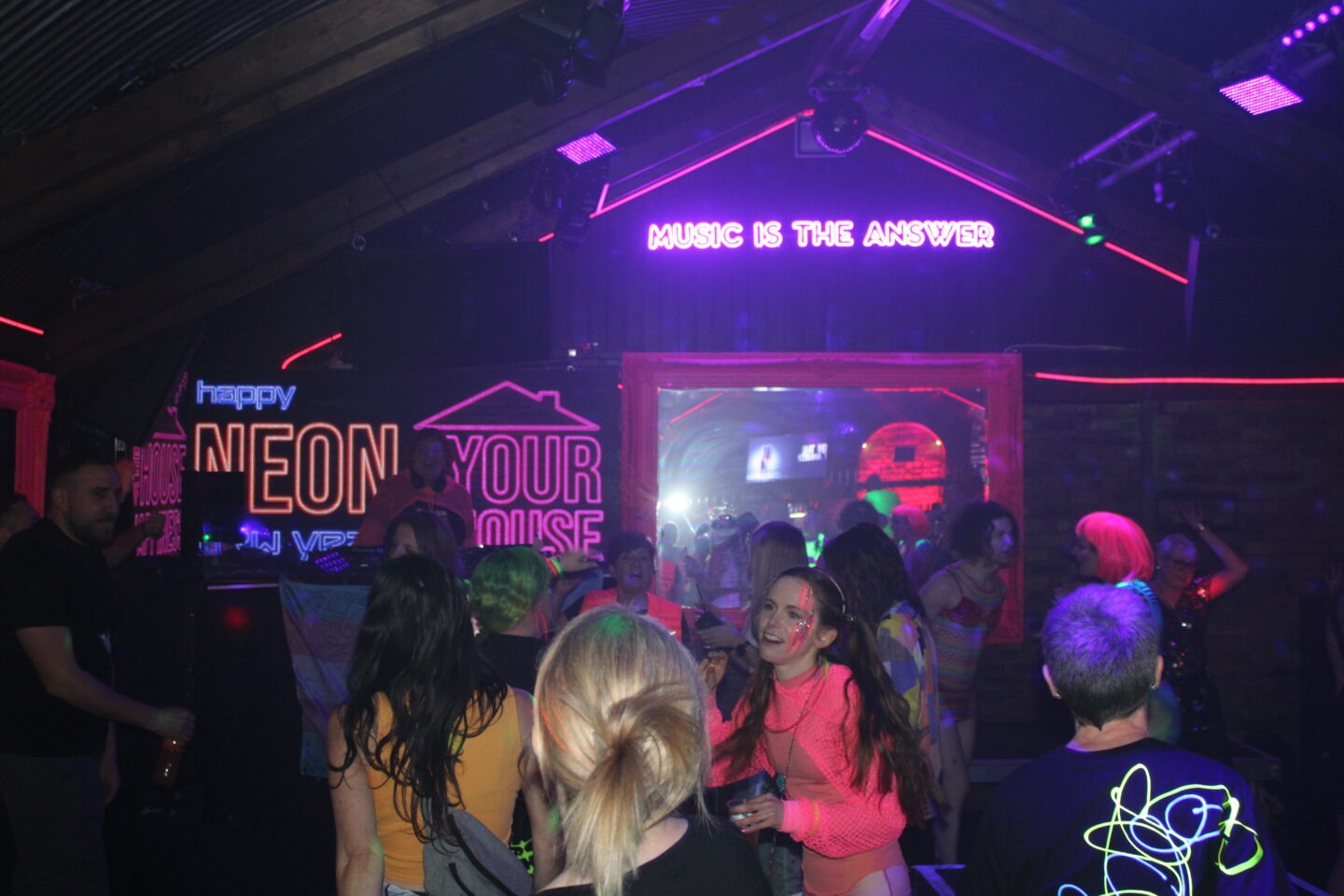
Drinking is broadly declining in the UK, and the research company IWSR has just revealed that the average UK adult is consuming the lowest average weekly alcohol amount in 35 years. As this sobriety grows, a new sober-raving subculture is becoming more popular amongst the queer community. It’s emerging not only as a recovery space, but also a high-energy alternative to your traditional night out.
This week alone, London is home to a variety of sober queer events, such as Queers Without Beers’ Tasting Night, Gays of Bass’ Sober Ecstatic Dance Party and Good As You’s Softer Soirée. So why is sober nightlife gaining momentum in LGBTQ+ spaces, and what does this ‘detox’ really look like?
Become a Nonchalant VIP for ad free browsing.
Neil Hudson-Basing is one of the founders of the House of Happiness, the queer-led and delivered T total rave collective. They just had their New Year’s Neon Party on January 3rd.

He describes their raves as ‘’fresh, flamboyant and a bit feral. We’re all about busting the myth that sober means boring.’’ Neil set up the House as he and the co-founders felt like most of the sober events they’d been to were centred solely around mindfulness and wellbeing. They wanted to create something that “captured the fun of sobriety”, providing a “clubbing extravaganza with a conscience.” “We didn’t feel seen in nightlife or the sober world, because it’s mostly mindfulness and well-being. And that just wasn’t our story.”
Neil, who’s been sober for 9 years, explained that “sober people still want to party. You know, us queers love to party. So, it’s about providing options.” For him, sobriety isn’t about detox as discipline and restriction. It’s about hedonism without the presence of alcohol or substances. Their core pillars are “safety, inclusivity and fun”. Neil chose to hold the raves in the day to provide a safe space, particularly for women, transgender and non-binary people. Sober raves really focus on building community at a time when queer nightlife is endangered in London. This is why Neil deemed them “sacred spaces that need protecting”.
Related article: Have you Heard of the New Queer and BIPOC Sober Dance Movement Event?
“They create a real sense of belonging and community. And an openness to come together and have a cracking time without alcohol, repercussions or judgement.”
Article continues below.
Kevin Sowden runs sober social events for gay men in Brighton. He’s been attending House of Happiness since 2022, and he describes it as a “lifeline” for him in his sober journey.
He went to their most recent event at Fire and can be seen immersed in the music, as captured by Dazed.
Queer nightlife has always been a huge part of his life, especially living in the heart of Vauxhall in his 20s. Fire Nightclub is where Kevin spent “all his weekends” when he had problems with substance and alcohol use. So going to these events provides an “opportunity to reclaim the space.” “It’s almost like going back to the scene of the crime. The man on the front door still remembers me from the darker days of ten years ago.” Kevin’s experience is an example of sober queer nightlife as an act of reclamation, showing its potential for empowerment as a subculture.
He thinks sober clubbing is “absolutely incredible.” For Kevin, the best part of it is the
“joy in people’s faces…Seeing their bright eyes and their smiles,” and “bouncing off other people’s energy.”
He regularly goes to queer events with friends, sometimes dancing until early hours of the morning. People often don’t believe he is sober “because they can’t possibly comprehend that somebody could have that much energy and be enjoying themselves without drugs or alcohol”.
Kevin is “delighted” that queer sober raving is on the rise and believes the scene has been ‘’growing and changing over the last couple of years”.
These spaces are particularly important for LGBTQ+ people, as drug education research from 2023 shows that the queer community is at a higher risk of substance misuse and related harm. The UK Addiction Treatment Centre suggests that substance abuse issues could affect 20-30% of LGBTQ+ individuals compared to 9% of the general population.
This is echoed by Kevin’s experience. He said, “The gay scene comes with a lot of expectations to take part and fit in, which means drinking and taking drugs.” He thinks substance misuse issues come partly from “expectations to fit in”.
Kevin says the queer community has “soberphobia”. He thinks the topic of queer sobriety “touches a nerve sometimes with people” because it “makes them look at their own behaviour”. This can lead to a lack of awareness around issues of drug and alcohol misuse.
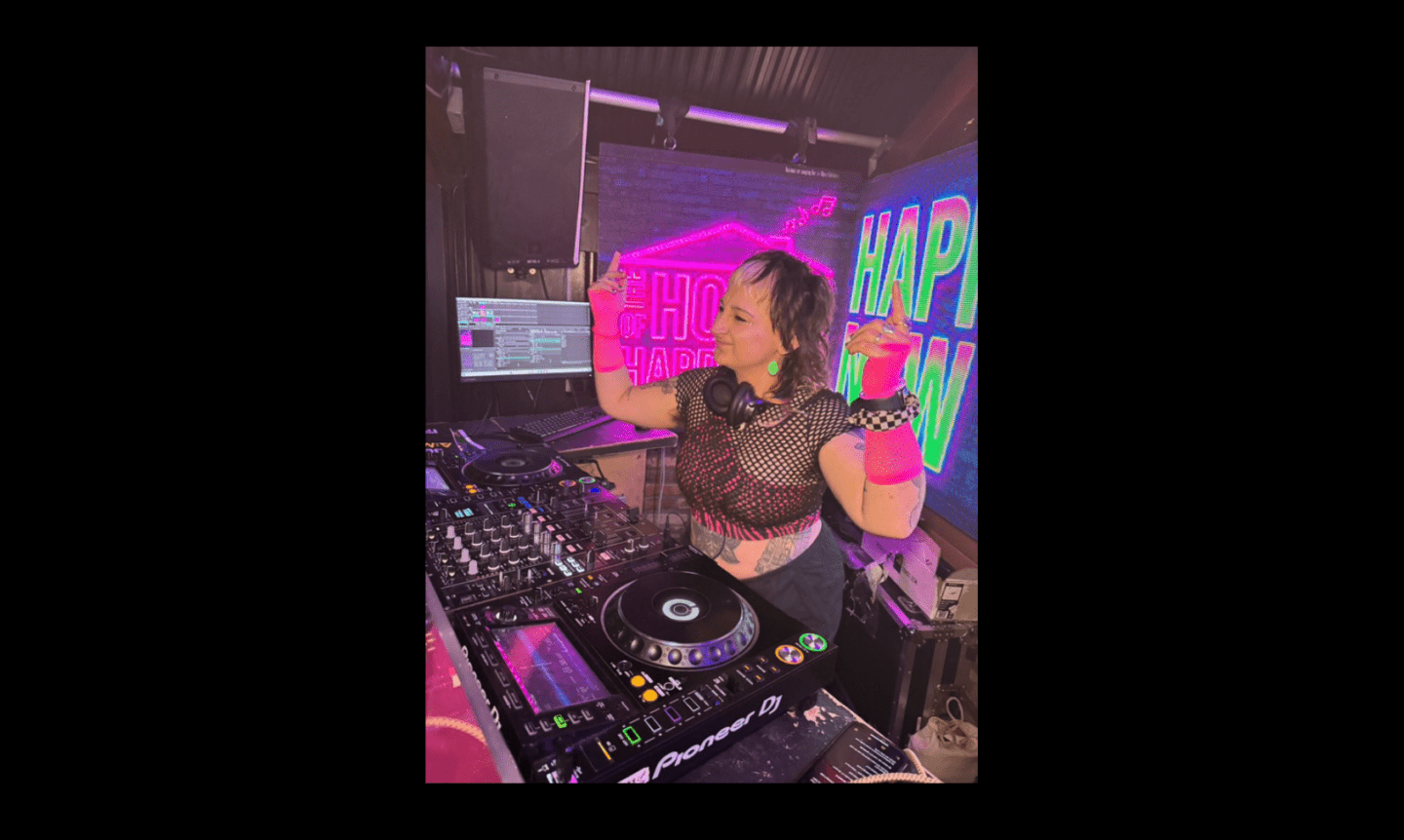
Ali Penney is a multi-genre DJ who’s played multiple raves at The House and other sober LGBTQ+ events with charity TransSober in Brighton. They also believe this idea that ‘soberphobia’ is a big problem in the community.
“A lot of people in the community have experienced a lot of terrible things and often use alcohol and other things just to escape… I was definitely doing that.”
Ali began their sober journey four years ago, and they believe “having spaces where you feel safe is so important.”
They picked up DJing as part of this journey, realising their “deep connection to music” extended beyond their involvement with alcohol and partying.
“I prefer to DJ to sober people. It’s just such a better connection with the music, with the dancing. It’s electric. Everyone’s present.”
“I’ve joked about the sober movement like it’s the new veganism.” Ali believes its growing popularity is rooted in post-pandemic-era introspection, especially as the “queer community is good at finding things that boost their way of life.”
They believe these raves are a way to “keep in touch with the roots of queer culture” even in sobriety. “It’s glitter, there’s drag, there’s go-go dancers, and it’s exactly what you expect in a queer space.”
Despite this, Ali had faced scepticism around sober raves, ‘’because it’s just a foreign concept to people. They also believe it’s not about division, it’s about being ‘’open-minded to alternatives.
Glittered, sweating, feral, and fully present. Sober raves aren’t replacing traditional club culture; they’re expanding it. It’s clear that these spaces provide vital options and opportunities for those who need them. And when the lights come up, there’s no hangover.
Nonchalant x

Nelly is a journalist based in London, covering mostly arts, culture, social issues and feminist stories. She trained at City University of London, studying a BA in Journalism. When she’s not writing, she’s behind a camera – with a passion for visual storytelling and documentary content. Her work aims to spark important discussions and amplify voices of people that need to be heard.
