
Summer is in full swing, Pride season is zipping past us, and we’re buzzing in anticipation of the big parties yet to come. Hearts are high, full of the season’s favourite pastime: queer yearning. There’s something about summer that feels both nostalgic and hopeful. Everything is in full bloom, vibrant before the high heat, and swathes of sun seekers descend on parks with blankets, wearing away the lush green as the summery season drifts on, with a taste for desire and the possibility of chance encounters.
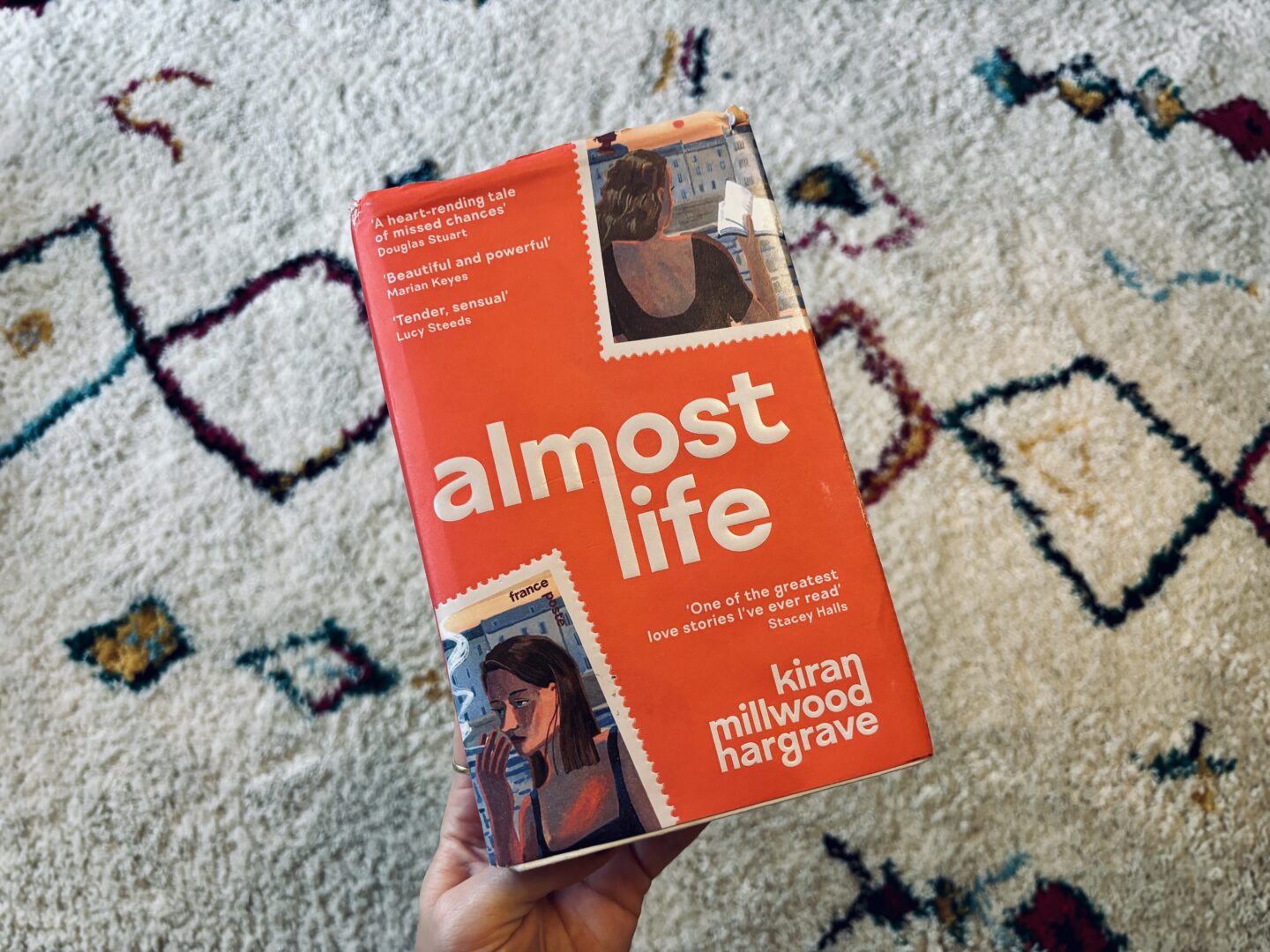
This month’s Nonchalant read, Almost Life by Kiran Millwood Hargrave, fits the brief perfectly. Few contemporary queer novels of late capture sapphic yearning as tenderly and maddeningly as this high-stakes love story spanning three decades.
*Warning, may contain spoilers!
What’s Almost Life about?
In Paris in 1978, French PhD student Laure and English student Erica, six years younger than Laure, meet on the steps of the Sacré-Cœur, and the chemistry is immediate. What begins as a chance encounter soon transforms their lives in a formative rapture, growing into a complicated affliction full of sliding-doors moments, missed opportunities, addiction, regret, selfishness, and reunion. As Laure and Erica make choices that draw them together and pull them apart, their “will they, won’t they” journey is both agonising and magnetic, tethering them across decades in this tumultuous, melancholy and cautionary tale, waging a battle between following your heart versus your head, and the cost of both.
Almost Life, as its title suggests, is a complicated lesbian/bisexual love story. As the novel unfolds, we meet Laure and Erica at various crossroads in their lives, where the past feels as fresh as yesterday or incomprehensibly out of reach, creating periods of excruciating tension as much as long, impatient forays into their individual lives in between letters and encounters, eliciting the same familiarity and frustration as love stories like One Day.
You may also like: Book Review: ‘Andromeda’ by E.S. McLeod
What stands out about Almost Life?
Hargrave’s prose is beautifully vivid, painting rich portraits of Paris, Norfolk and beyond as the backdrops to these protagonists’ lives, heightening the novel’s romantic, poignant atmosphere. Through Laure’s passionate, art history mind and Erica’s youthful intellect and curiosity, we follow these two protagonists as the two women become deeply intertwined in unexpected ways, navigating a world theorising among friends and sharing literary aspirations over wine in typical student fashion, engaging in impulsive and precarious behaviours that often have us aching with anticipation or frustrated at their shortfalls. Hargrave’s prose captures the body language, the writhing desire, the missed glances that say all that words fall short of capturing.
Importantly, this is not a coming-out story. Though we meet Laure and Erica at a formative age, their sexualities are intrinsic and confidently depicted. The characters feel fully realised, with political values, quirks, and behaviours that remain consistent, making them utterly believable and easy to fall in love with as we accompany them on their journeys, even if, at points, they have us wanting to bang our heads against a wall, but we also share their heartbreak as they experience their own trials of loss throughout.
Article continues below.




The verdict?
Although the novel is over 400 pages, with long, descriptive passages that at times feel like they’re intentionally keeping us from the real heart of the novel, this felt complementary for creating the feeling of an epic sapphic novel, and I found myself savouring every chapter. Its length, which usually makes me drift, instead pulled me in. My hardback copy travelled everywhere with me, becoming belovedly battered in the process.
While I hoped the ending would deliver a greater emotional payoff and bolder choices, having fallen into a frustrating trope, I found myself holding on to Erica–but mostly Laure–in my day-to-day life whenever I wasn’t reading. Laure will linger in my thoughts long after the final page. While the novel’s denouement might have some readers singing a certain Chappell Roan lyric with disdain, the reasons feel believable enough to accept. My DMs are open for those who have not.
The novel perfectly captures the sharp burn of forbidden desire, the fantasy of possibility, and the courage it takes to imagine other lives for oneself and to choose a life with intention. It’s a mesmerising story, bursting with longing, that brings its characters–and readers–to the crossroads and circumstances of choice.
An extract from Almost Life:
“It is the condition of the heartbroken to believe no one has felt as they have, ever in the history of the world. It’s an affront to feel otherwise, I know, but the sooner you accept that for every lover there is someone suffering, the sooner you’ll heal.”
Our star rating:
You can buy a copy of Almost Life on bookshop.org. For more recs on queer books to read this summer, check out our book pages here.
Nonchalant x
You may also like

Lauren is a writer and editor based in Lewisham, covering all things queer culture, books, travel, arts and lifestyle. She also writes about hospitality and foodservice, sustainability, business and tech, and was previously a features editor for New Statesman Media Group.

